

Ergonomics at work is the discipline that studies how to adapt environments, tools, tasks and equipment to the physical and psychological characteristics of workers, with the aim of improving wellbeing, safety and efficiency at work. Ergonomics seeks to minimise the risk of work-related injuries or discomfort, such as muscle pain, repetitive strain disorders or mental fatigue. Discover what ergonomics at work is and its influence.
Definition of ergonomics
Ergonomics is defined as the study and application of scientific principles to the design of equipment, environments and tasks so that workers can carry out their activities more efficiently, comfortably and healthily. This field combines knowledge of anatomy, physiology, psychology, engineering and industrial design to optimise human performance and reduce the likelihood of injury.
How architecture influences ergonomics
Architecture influences ergonomics by designing physical spaces that support workers’ comfort, safety and productivity, which is why it is important to consider an office renovation to improve productivity. Architectural principles applied to ergonomics include:
Space layout: Proper design of offices, meeting rooms, break areas and communal spaces can minimise stress, encourage smooth circulation and avoid awkward postures.
Lighting and ventilation: Natural light and good ventilation contribute to eye and respiratory health, reducing eye strain and improving overall comfort.
Acoustics: Noise control in the workplace is essential to avoid sensory overload and improve concentration and wellbeing.
Ergonomics in the office: sedentary work
Sedentary office work can have negative effects on health, such as lower back pain, muscle tension and circulation problems. To improve ergonomics in these settings, the following is recommended:
Chair adjustment: The chair should have lumbar support and be height-adjustable, so that the feet are flat on the floor and the thighs are parallel to the floor.
Desk: The desk height should allow the elbows to be at 90 degrees when the hands are on the keyboard.
Screen position: The screen should be at eye level and at a suitable distance to avoid eye strain.
Active breaks: Get up and stretch or walk for short periods every hour.
Ergonomics in places where people stand
In places where workers stand, such as shops or factories, ergonomics must be adapted to reduce fatigue and discomfort. Some recommendations include:
Non-slip, cushioned surfaces: Mats can reduce pressure on the feet and legs.
Suitable footwear: Wear comfortable shoes with good support and no high heels.
Rest chairs or stools: Provide occasional support for sitting for short periods, where possible.
Proper posture: Avoid awkward positions and encourage changes of posture throughout the day.
How to achieve ergonomics in changing spaces
In changing spaces, such as those where mobile tasks are carried out or mobile equipment is used (for example in warehouses, factories or temporary work environments), ergonomics may involve:
Adjustable equipment: Tools and furniture that adapt quickly to different users and situations.
Flexible workstations: Devices such as height-adjustable desks to suit different types of tasks and users.
Training and awareness: Teaching workers about the importance of adjusting their posture and taking active breaks, even in variable environments.
Load handling
Handling heavy loads is one of the main causes of workplace injuries. To ensure proper ergonomics in these cases:
Lifting techniques: Teach workers to lift loads by bending their knees and using their legs rather than their back.
Use of mechanical aids: Trolleys, hoists or lifting straps can reduce the need to lift weights manually.
Proper load distribution: Avoid overloading a single worker and share the load among several people, or use machinery to load and move products.
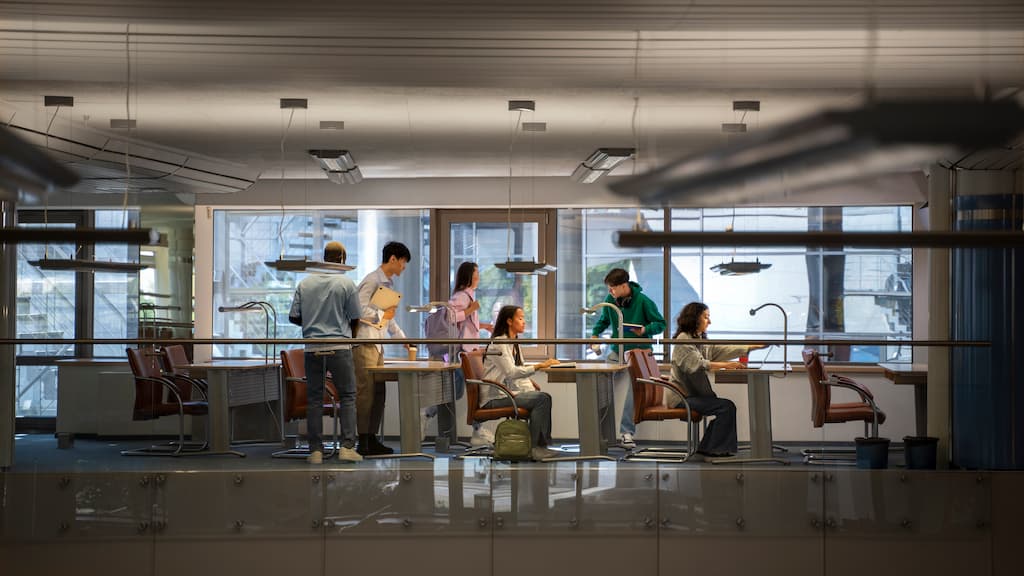
Complementary furniture that improves ergonomics
Ergonomic furniture is key to preventing injuries and improving workers’ comfort. Some examples include:
Ergonomic chairs: With adjustable lumbar support, adjustable armrests and a seat that allows movement.
Adjustable desks: To alternate between sitting and standing.
Footrests: Help maintain proper posture when the desk is too high or too low.
Ergonomic keyboards and mice: Reduce strain on the wrists and encourage a more natural posture.
Exercises and time spent standing and sitting
It is essential to include exercises and active breaks to avoid fatigue and muscle discomfort. Some tips include:
For those who sit: Stretch the neck, wrists, back and legs every 30-60 minutes. Get up to walk or do short stretches.
For those who stand: Alternate postures, move the legs and feet, and sit down when possible.
Doing sport, stretching and staying hydrated is always recommended
Regular physical exercise is essential for maintaining good health and preventing musculoskeletal problems. It is also important to:
Stretch: Stretch throughout the day to maintain flexibility and reduce muscle tension.
Hydration: Drinking enough water is essential for physical performance and concentration, as well as preventing fatigue and improving blood circulation.
Now that we know what ergonomics at work is, we can conclude that it is crucial for promoting a healthy, safe and productive environment. Whether in an office, a standing environment or changing spaces, applying proper ergonomic principles helps reduce injuries, increase comfort and improve work efficiency. The combination of good habits, suitable equipment and active breaks can make a big difference to workers’ wellbeing.
Office architecture and space design, as part of a holistic approach, influence and support many aspects of proper ergonomics (not only at work, but also during rest and leisure).
