CONVERSION OF COMMERCIAL PREMISES INTO “LOVA” CAFÉ
PROJECT: Conversion of Commercial Premises into “LOVA” Café
YEAR: 2017
LOCATION: Calle Carretería 56 (Málaga)
BUILT AREA OF INTERVENTION: 120 m2
CONSTRUCTION BUDGET (PEM): €80,000
CLIENT: Company
BACKGROUND, SURROUNDINGS AND PREVIOUS CONDITION
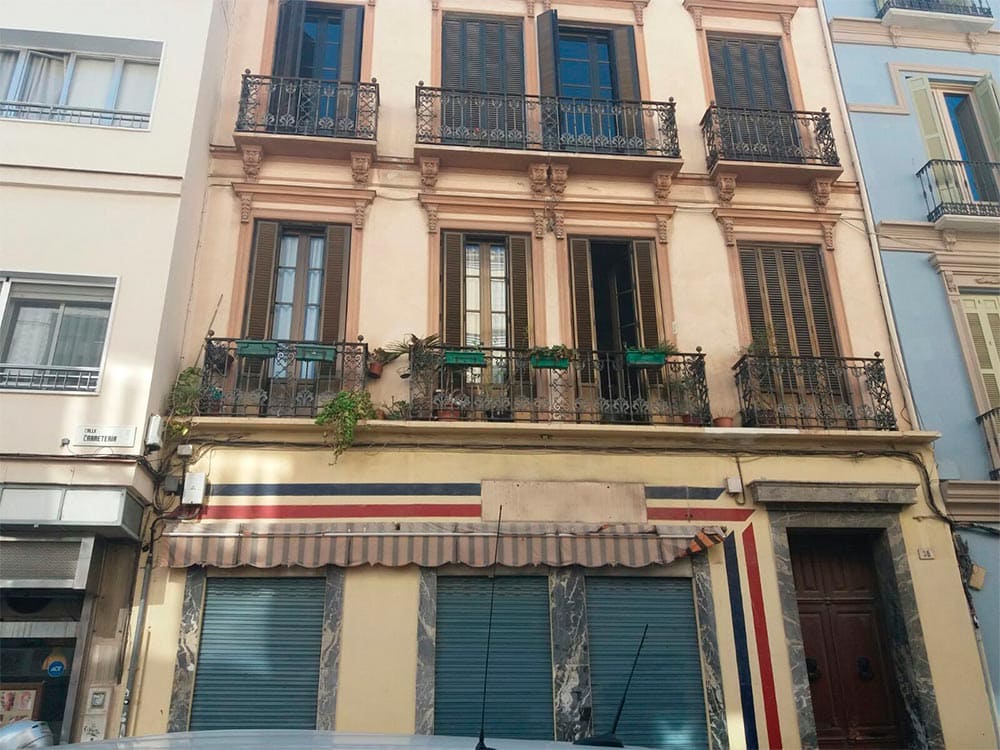
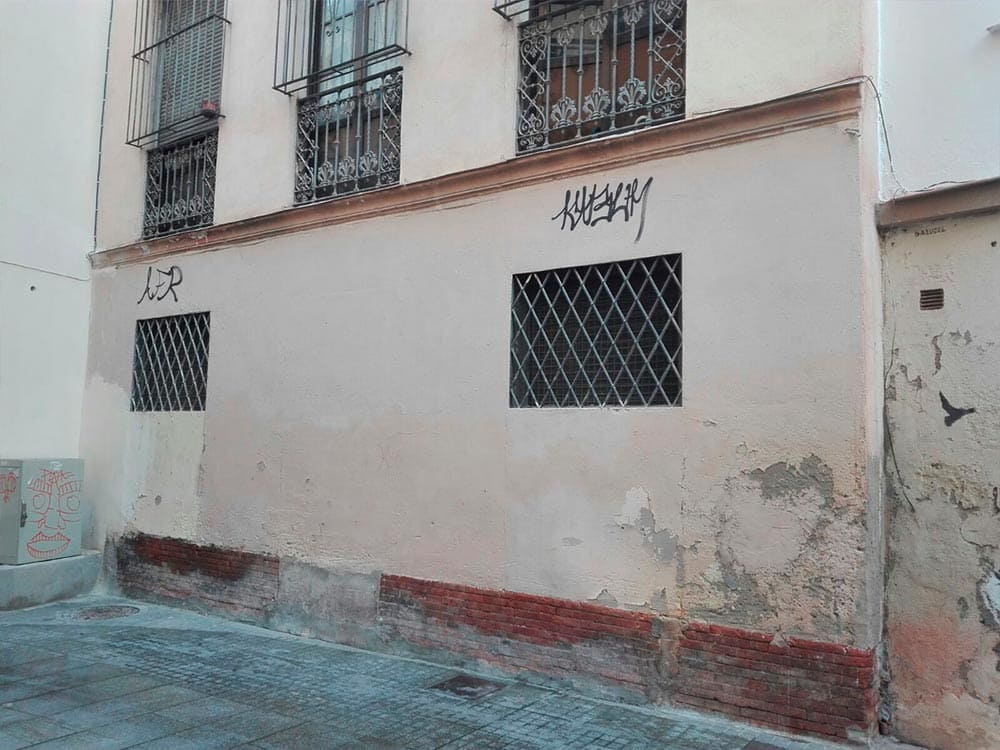
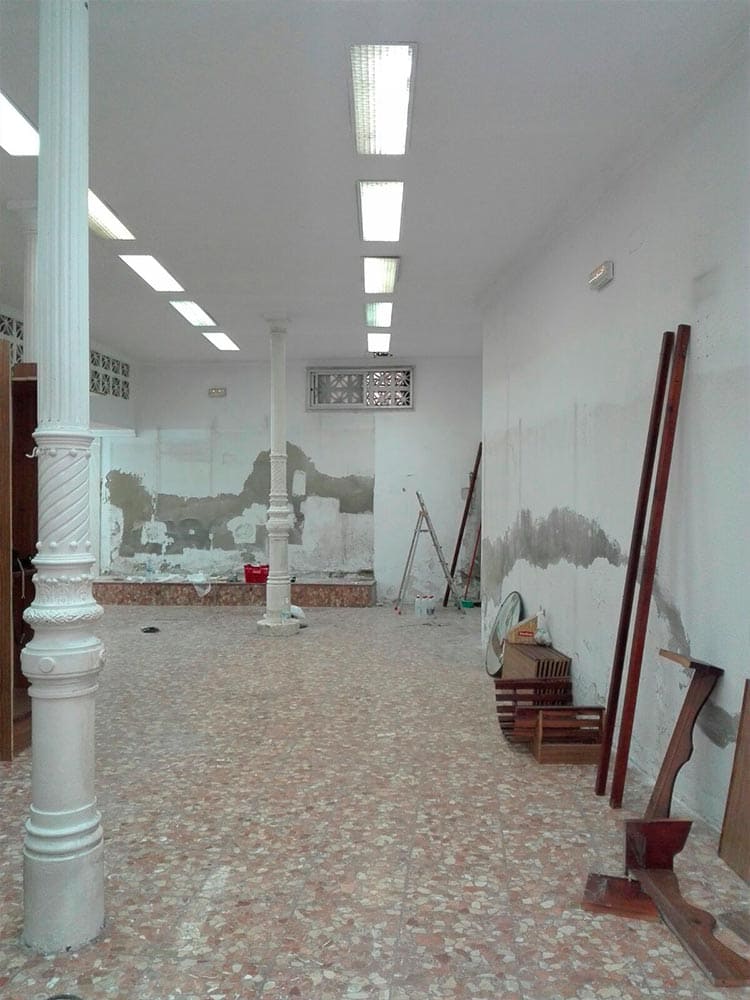
Renovating commercial premises in a historic centre and in a listed building is always a challenge: recovering the building’s history and original features while also enhancing the identity of a key street in Málaga’s historic centre, Calle Carretería.
PROJECT DESCRIPTION
USES
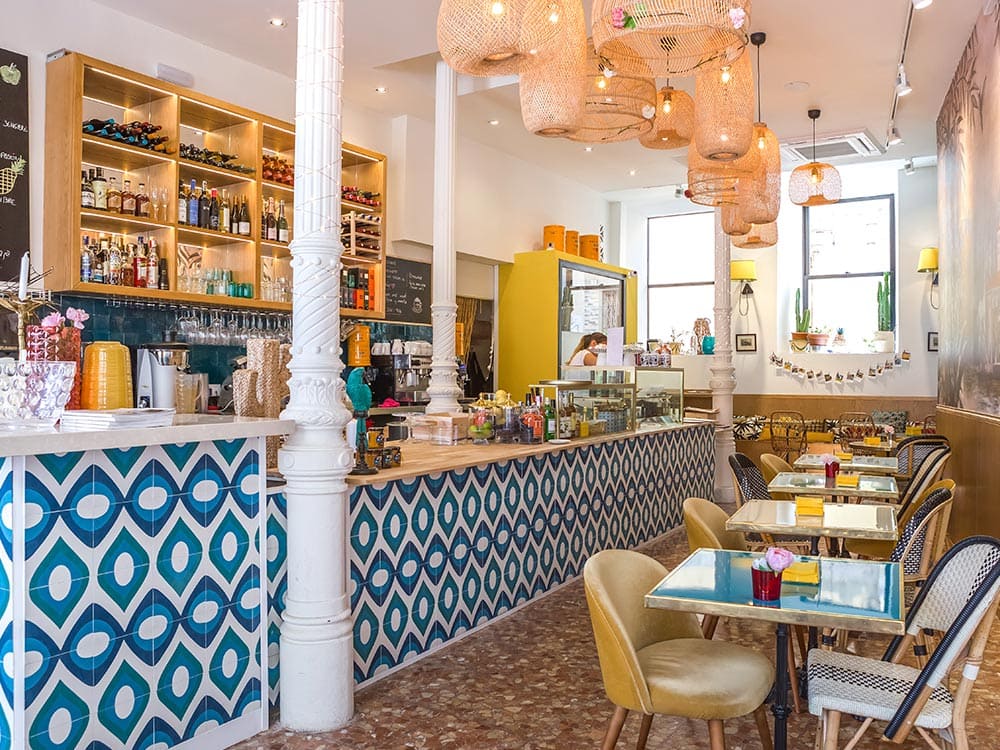
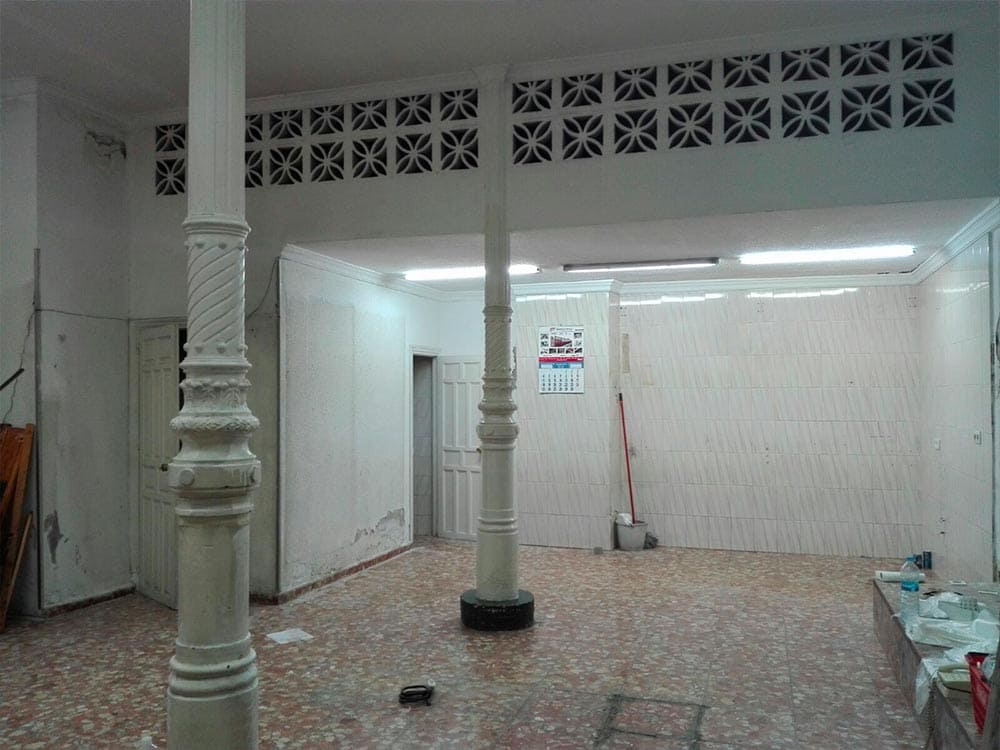
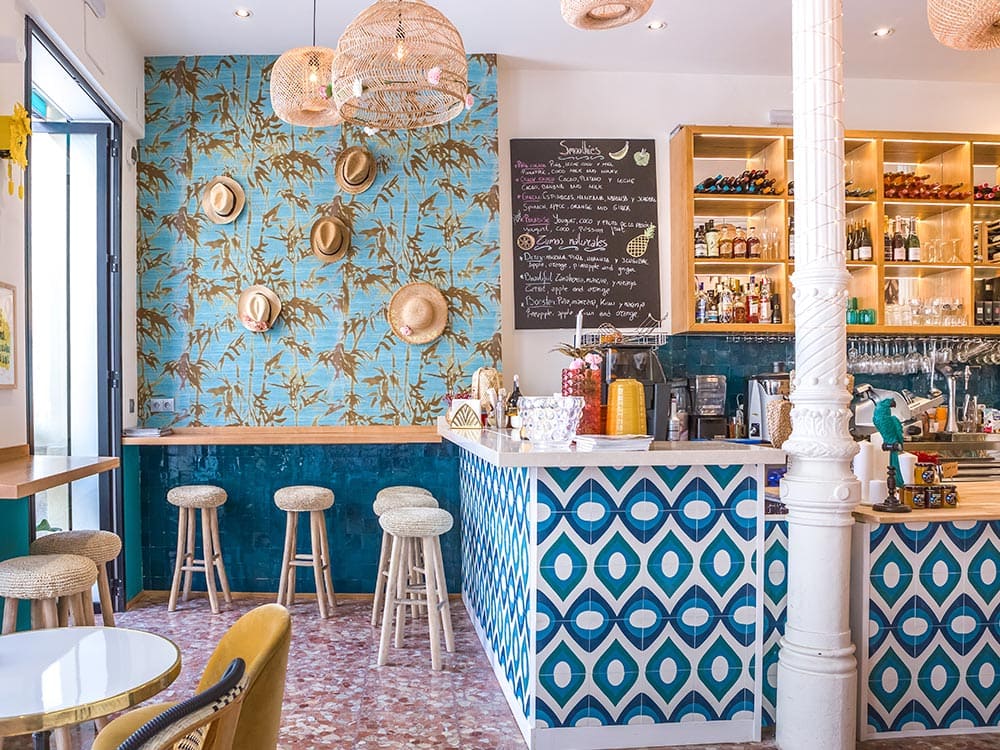
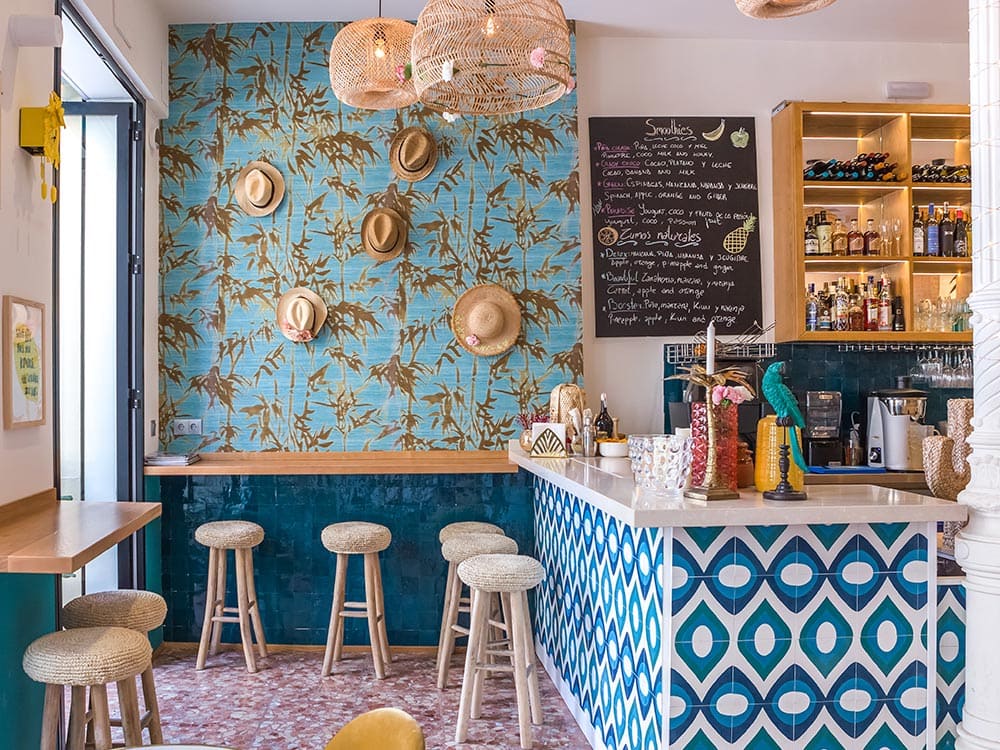
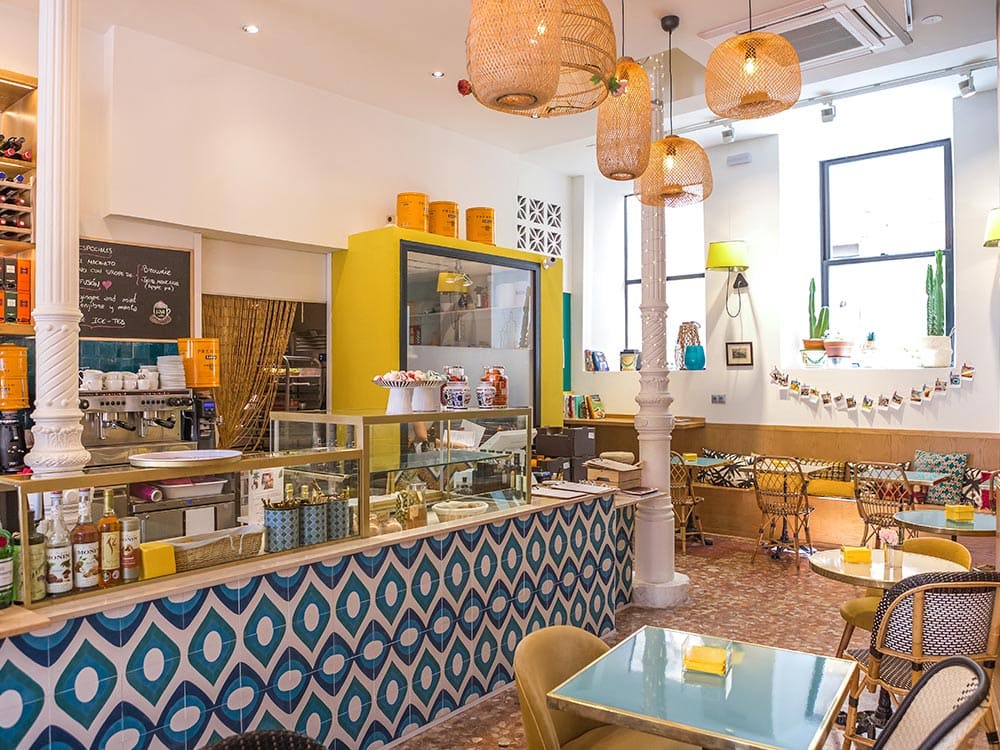
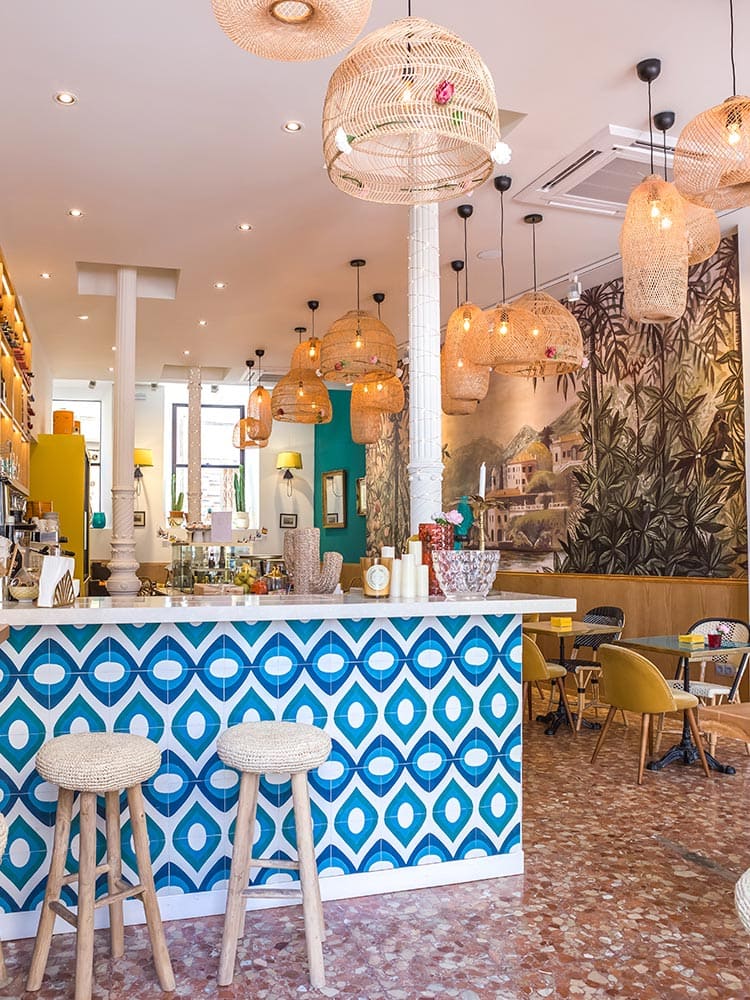
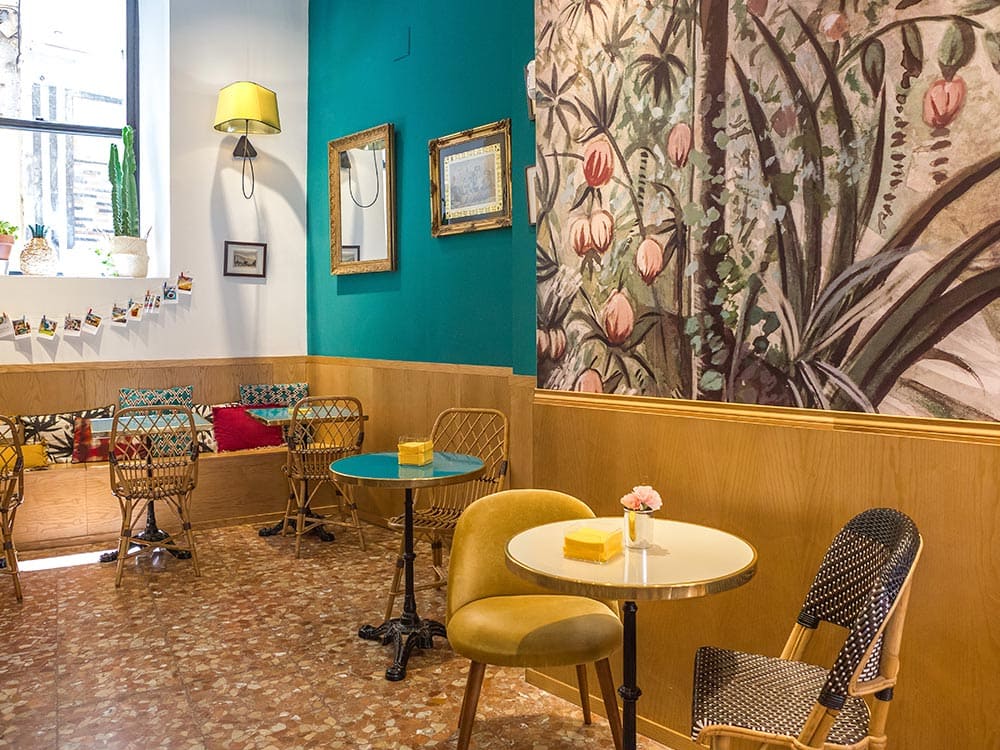
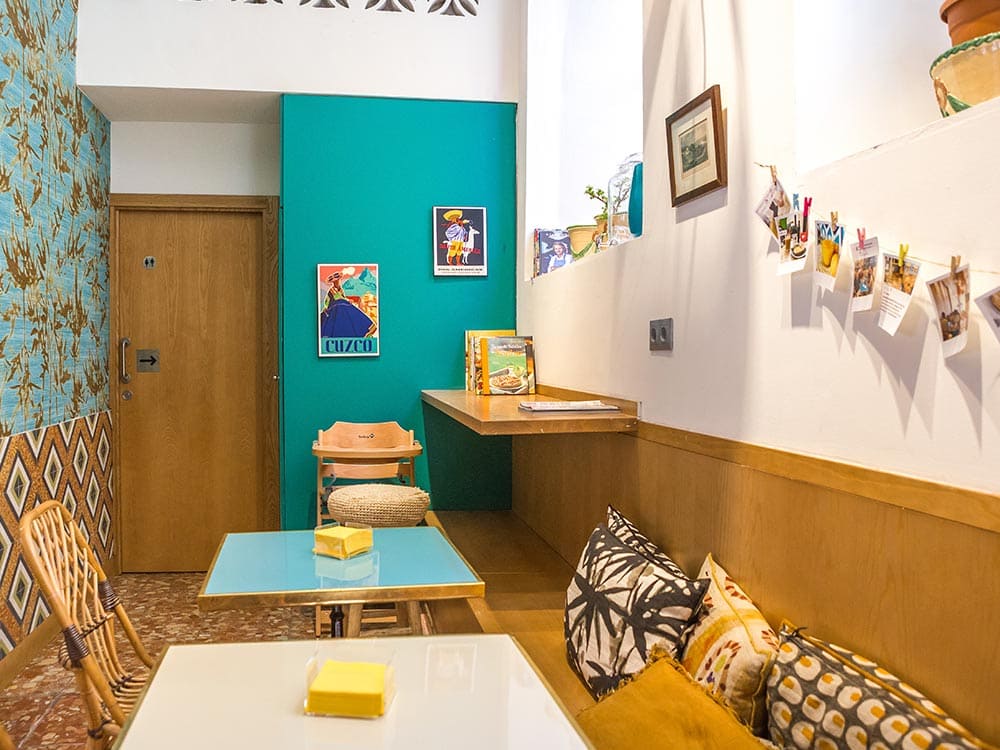
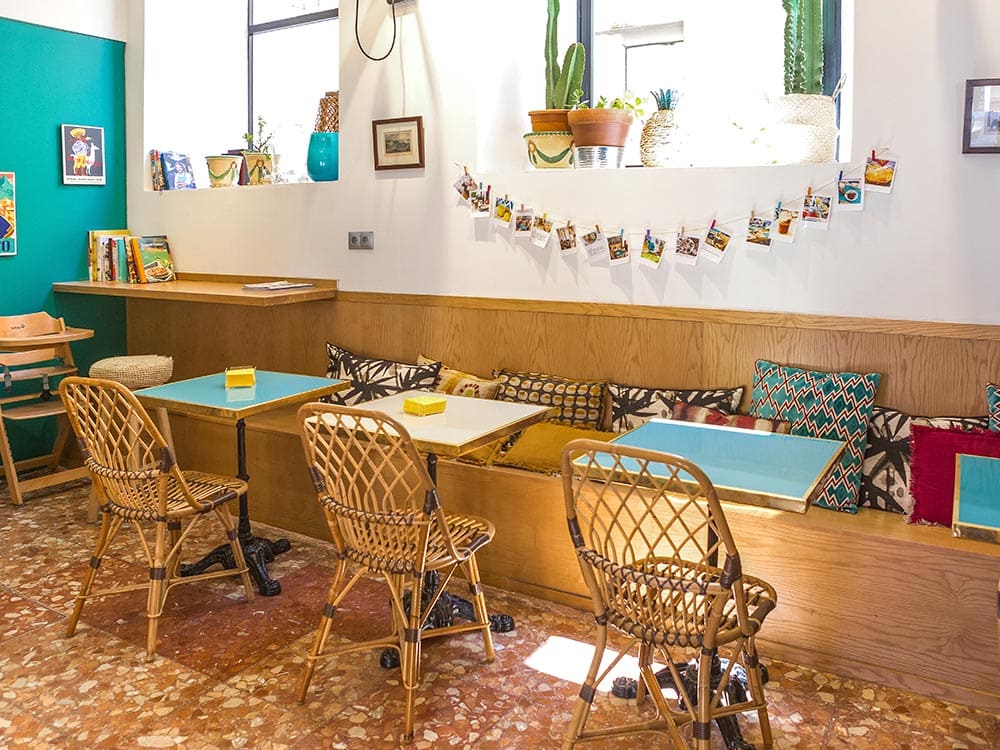
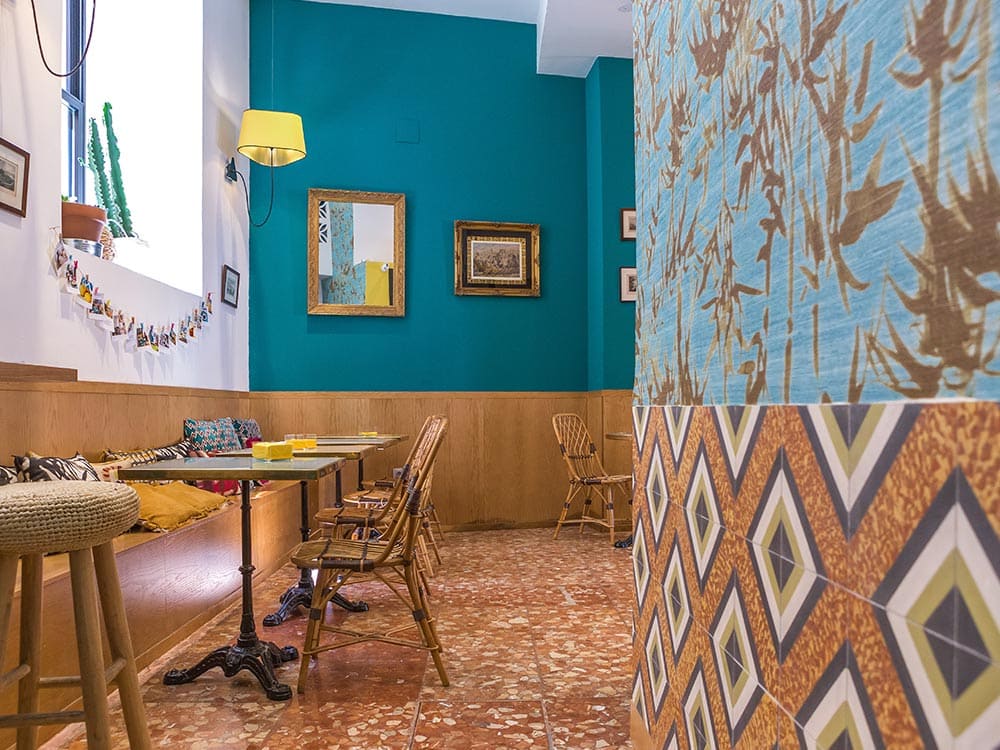
The proposal converts premises that were previously a supermarket into a French-style café, where the bar is the central axis of the project from which different types of seating branch off: high seating, chairs, stools and a long bench, while the rear area is used for a small kitchen, an accessible toilet and a storage mezzanine.
FORM AND COLOUR
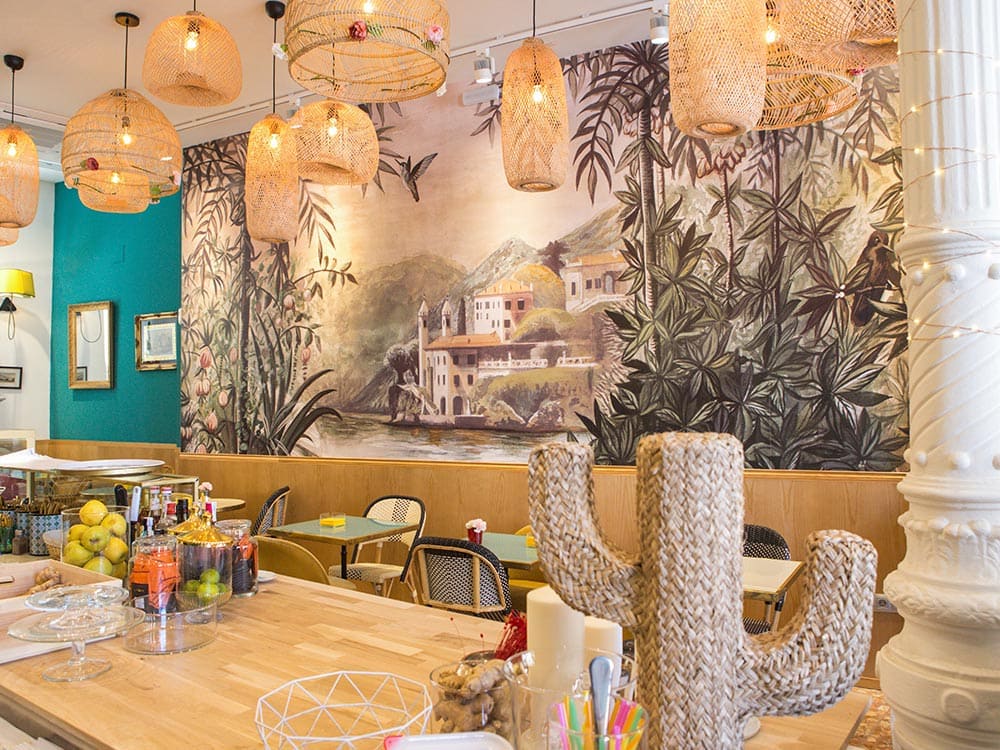
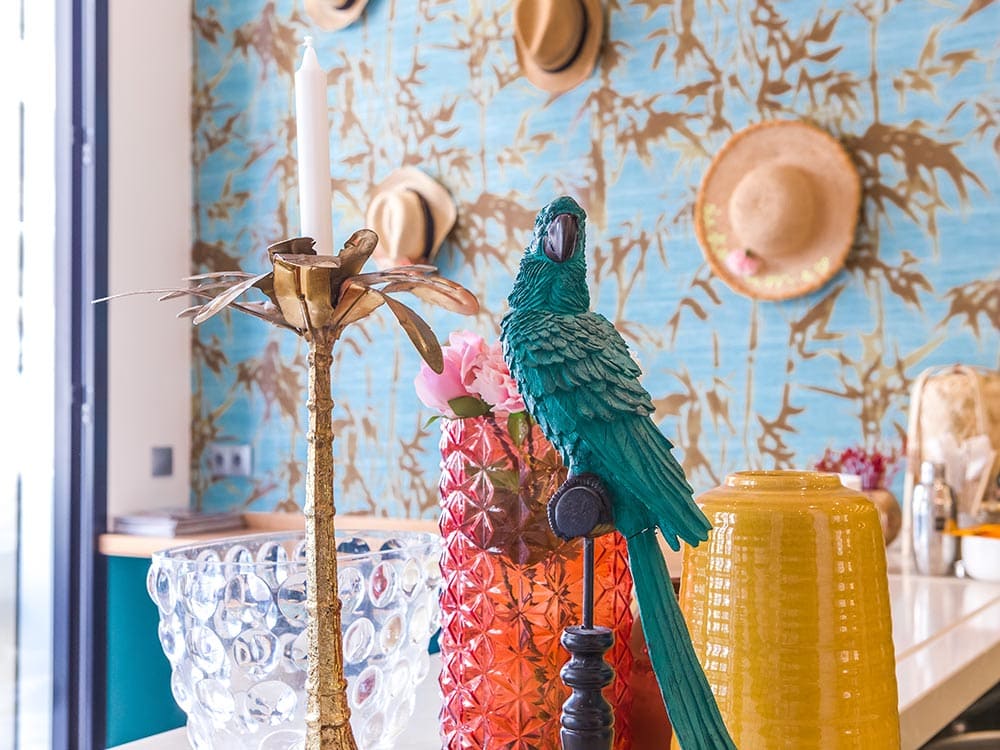
The look perhaps evokes French Polynesia: a fresh image dominated by green and natural elements such as lamps and chairs, with many tree-inspired decorative details, all supported by showcasing the wrought-iron column structure from Málaga’s industrial era (early 20th century), which allowed the load-bearing walls to be removed and creates a slender, innovative sense of space.
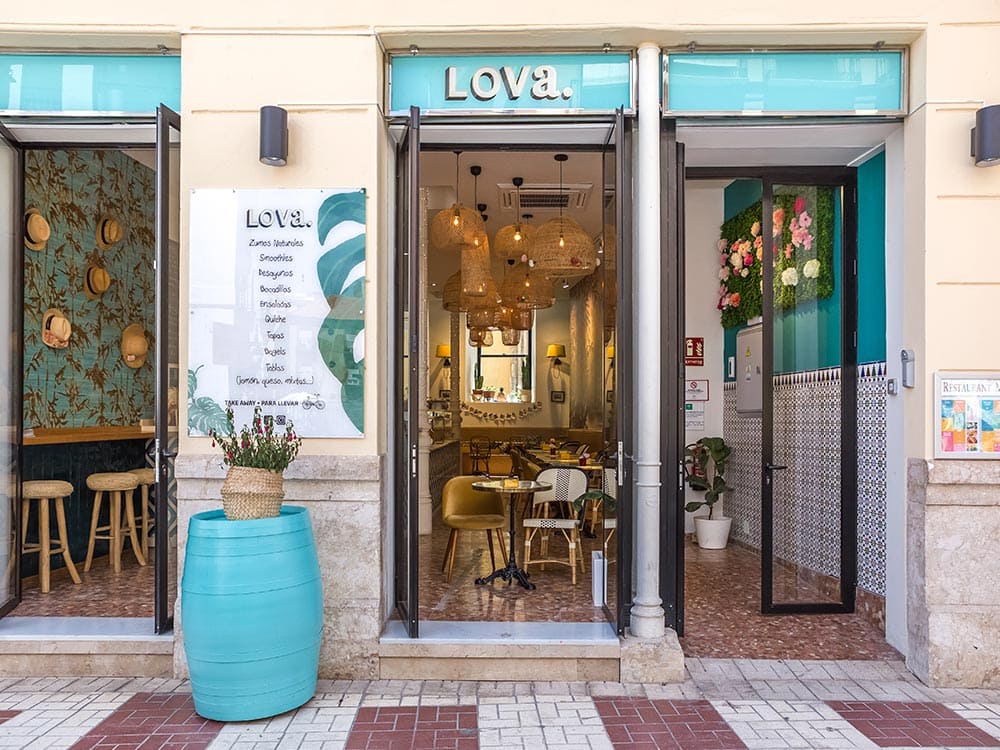
The façade recovers the building’s original openings and rhythms, as well as the wrought-iron columns that had been hidden in previous renovations but which, according to the documents obtained from the Planning Department, were exposed in the original design
BIO-SMART ARCHITECTURE FEATURES
In terms of passive comfort and savings, new openings were made at the rear of the building to provide cross ventilation, with the resulting energy savings.
The terrazzo flooring installed in the 1970s was recovered, treated and polished (reuse)
All plumbing installations use polybutylene, which is recyclable and non-toxic.
Interior and exterior lighting uses low-energy LED lighting.