
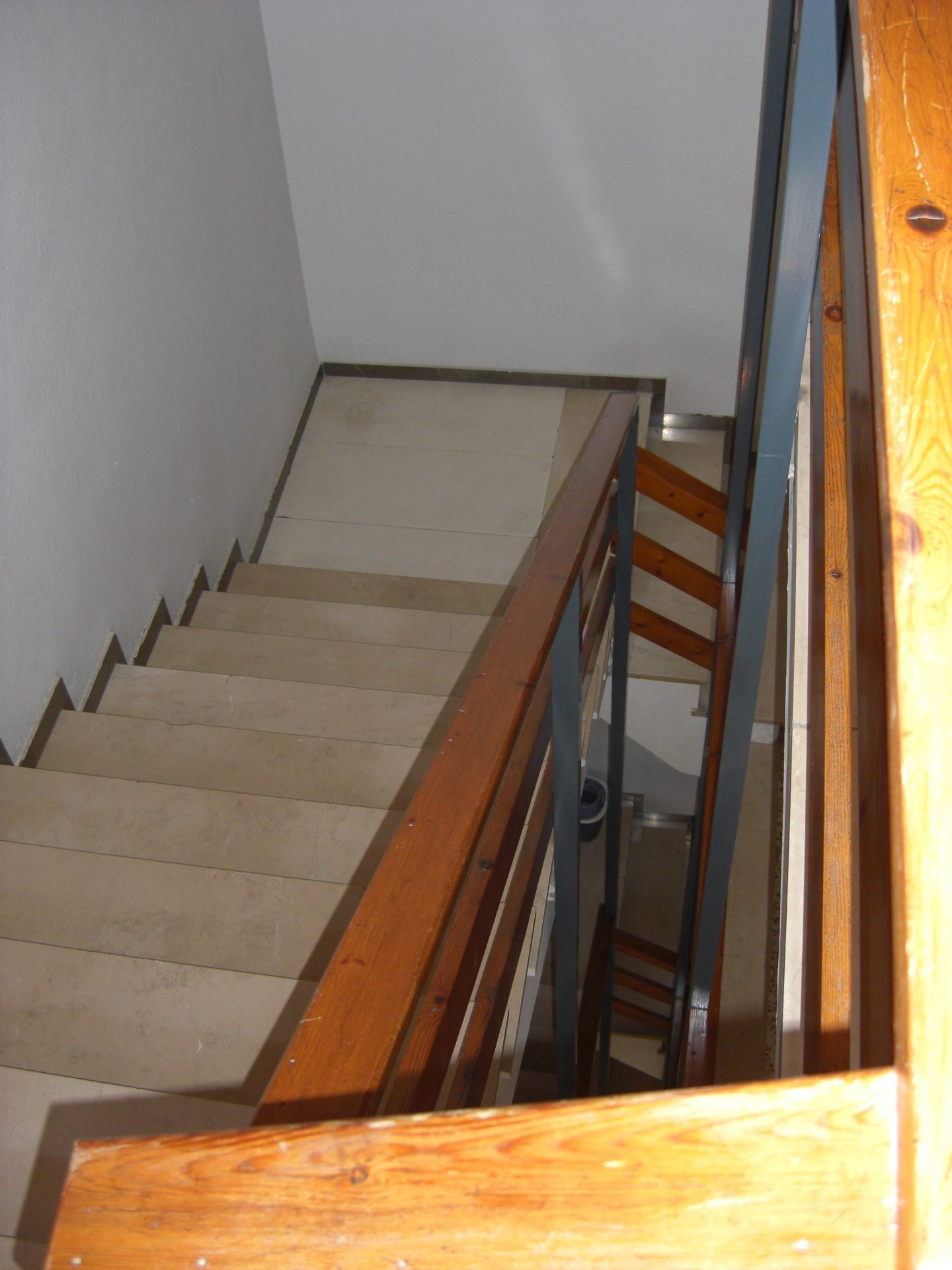
Accessibility is essential to make sure everyone, whatever their physical abilities, can get into and move around a building easily. Before you remove architectural barriers, it is important to examine the building closely to identify problem areas such as stairs, changes in level or narrow doors.
Data from the latest Housing Needs and Demand Study of the Valencia Region show that almost a quarter of residential buildings with three or more storeys have no lift. As the population ages, people become more dependent, which makes tackling accessibility shortcomings even more crucial.
So, as full refurbishment architects in Málaga we need to act to remove architectural barriers and make sure everyone can access and fully enjoy residential spaces.
The architectural barriers are physical, design or construction obstacles that limit or prevent some people from accessing or moving freely in urban spaces or buildings. These barriers are obvious and can make daily life harder for people with reduced mobility.
The presence of architectural barriers harms the quality of life of many people and goes against the principles of universal accessibility set out in law. According to the General Council of Property Managers’ Associations of Spain, about 75% of buildings in Spain have yet to remove these barriers. What’s more, they are not limited to residential buildings: they are also found in public spaces and transport, which makes the problem worse.
The law recognises the importance of removing these barriers, and various laws and regulations have been passed at both national and regional level. The most notable are the Horizontal Property Act and the Act on equal opportunities, non-discrimination and universal accessibility for people with disabilities. These laws require architectural barriers to be removed and set out the procedures for carrying out the necessary works.
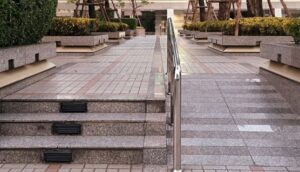
Effective solutions to remove architectural barriers and improve accessibility in buildings
- Installing lifts: Adding lifts to buildings without them is an effective way to ensure comfortable access for everyone, especially people who struggle with stairs.
- Ground-level lifts: Bringing lifts down to ground level is an excellent way to remove entrance steps and create more accessible, spacious areas.
- Building ramps: Ramps let people with reduced mobility, wheelchair users and those with pushchairs reach the building’s different levels easily. Combining them with lifts is a very effective way to improve accessibility.
- Home lifts: Depending on the space available and the building’s features, home lifts can be a useful solution, especially in tight spaces.
- Widening doors and corridors: Widening narrow doors and corridors makes it easier for people with disabilities or who use mobility aids such as walkers or wheelchairs to get through. This not only improves accessibility but also makes the space look better and feel more welcoming.
Types of architectural barriers we come across
There are several examples of architectural barriers that hinder accessibility:
- A narrow pavement that a wheelchair or pushchair cannot get along.
- A staircase inside a house that blocks access to the upper floor or the garage.
- A significant change in level in a bathroom or public space that makes access difficult.
- A badly placed handrail that stops a visually impaired person from finding their way properly and may cause a fall.
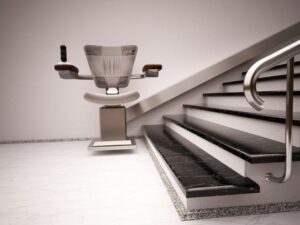
These barriers can limit the mobility and access of people with disabilities or special needs, which shows how important it is to remove them to create more inclusive and accessible environments for everyone.
Benefits of removing architectural barriers
Removing architectural barriers brings a number of significant benefits, both for people with disabilities and for society as a whole:
-
- Equal access: Removing architectural barriers lets everyone, whatever their physical abilities, access public spaces, buildings and services on an equal footing. This promotes social inclusion and equal opportunities for all.
-
- Better quality of life: Removing architectural barriers makes it easier for people with disabilities to move around and be independent, which improves their quality of life and lets them play a more active part in society.
-
- Safety and comfort: Removing obstacles such as steps, narrow stairs or narrow doors not only makes access easier but also reduces the risk of accidents and injuries for everyone, including older people and those with temporarily reduced mobility.
-
- Regulatory compliance: Removing architectural barriers helps comply with current accessibility laws and regulations, which can avoid possible legal penalties and improve the reputation of building or business owners.
-
- Economic benefits: Universal accessibility can increase property value and attract more customers or users, which can bring economic benefits to business owners and local communities.
-
- Encouraging inclusive design: Removing architectural barriers promotes inclusive design and encourages creativity and innovation in planning and building urban spaces and buildings.
In short, removing architectural barriers is essential to promote inclusion, improve quality of life and guarantee full access to rights and opportunities for everyone in society.
Removing architectural barriers with Mahatma arquitectos
At Mahatma arquitectos, specialists in full refurbishments in Málaga, we have three decades of experience and a team of experts ready to improve the accessibility of your building. Contact us and we will advise you on the best solution for your space needs!
