

Interior insulation is one of the best investments you can make in your home. Not only does it help keep a comfortable temperature, it also helps reduce energy costs and minimise environmental impact. If you are looking to improve your home’s energy efficiency, insulating the roof is an effective option. Here we give you some practical tips for carrying out this project and learning how to insulate a roof from the inside.
Insulating a roof from the inside
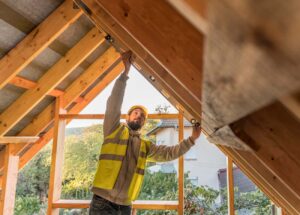
Insulating a roof from the inside is a project that improves the energy efficiency of your home by reducing heat and cold loss at different times of the year.
In general, it is not a very expensive job, as it is carried out with “dry” elements that do not require specific machinery (as is the case with cement or plaster) or water. There are professionals who carry out this kind of full refurbishment in Málaga, offering quality and commitment to their clients
During installation it is very important that surfaces are clean and dry, and any cracks or fissures should be repaired beforehand to prevent damp and air infiltration.
Materials to use
If you want to know how to insulate a roof from the inside you should also know the materials you will need to carry out the job:
–Mineral wool, a material made from glass fibre or rock wool. It is also effective for sound insulation. It comes in panels and rolls and is relatively easy to install.
–Expanded polystyrene (EPS), rigid boards (known as white cork or polystyrene foam), very light and easy to handle.
–Extruded polystyrene (XPS), rigid boards with a higher density than EPS, more insulating (and more expensive). Also easy to handle.
Once the material is in place, it is very important to seal the joints and junctions between elements thoroughly, and to protect it with a rigid structure (plasterboard) for a good aesthetic and functional finish. Thermal bridges should also be avoided by using plastic fixings
Insulating a roof from the outside
If a building is occupied, insulating it from the outside is a good solution. This makes the work less disruptive for the owner, as there is no need to enter the home. Different materials can be used for this:
– Expanded polystyrene: these boards are designed so that the roof tiles are securely fixed and do not slip over time.
– Sprayed polyurethane foam: very useful when water is leaking into the roof. It is quick and economical.
– Sprayed cork: insulating, waterproofable and with anti-fungal properties.
Advantages of insulation methods
Full refurbishments in Málaga such as roof insulation can bring a series of benefits you should know about; each type of insulation has significant advantages that may show you why this method is necessary.
Advantages of insulating a roof from the outside
- Elimination of thermal bridges
- Increased thermal inertia
- Quick to carry out
- The work does not affect the building’s occupants
- It can be used to repair existing cracks
Advantages of insulating a roof from the inside
- The roof elements are not touched
- A decorative finish can be applied
- More economical
- No scaffolding or other equipment is needed
- No permission from the residents’ association is required
In short, now that you know how to insulate a roof from the inside, we can conclude that roof insulation brings many advantages to a property and does not affect the building’s appearance. It can also be carried out from the outside or the inside, depending on the needs and preferences of the client. If you are interested in this service, visit our website to find out more about architects in Málaga who can help you solve any problem.
