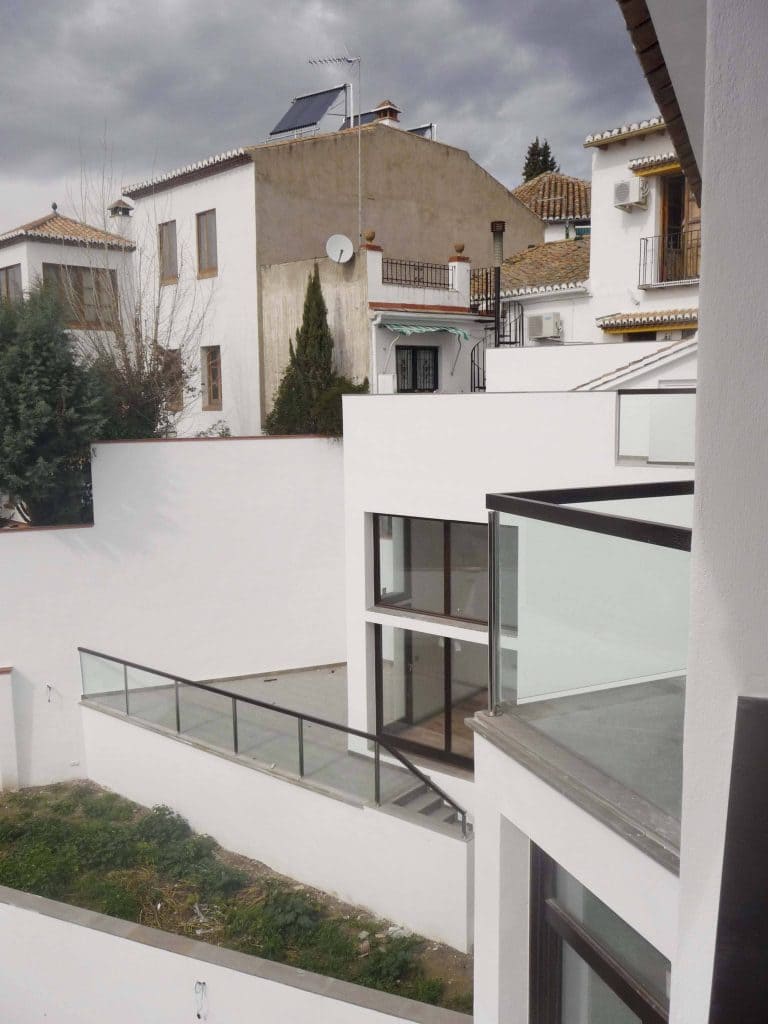
A multi-family dwelling is a type of housing that accommodates several families in the same building. Unlike single-family homes, which are designed for and occupied by a single family, multi-family buildings contain separate residential units , each occupied by a different family.
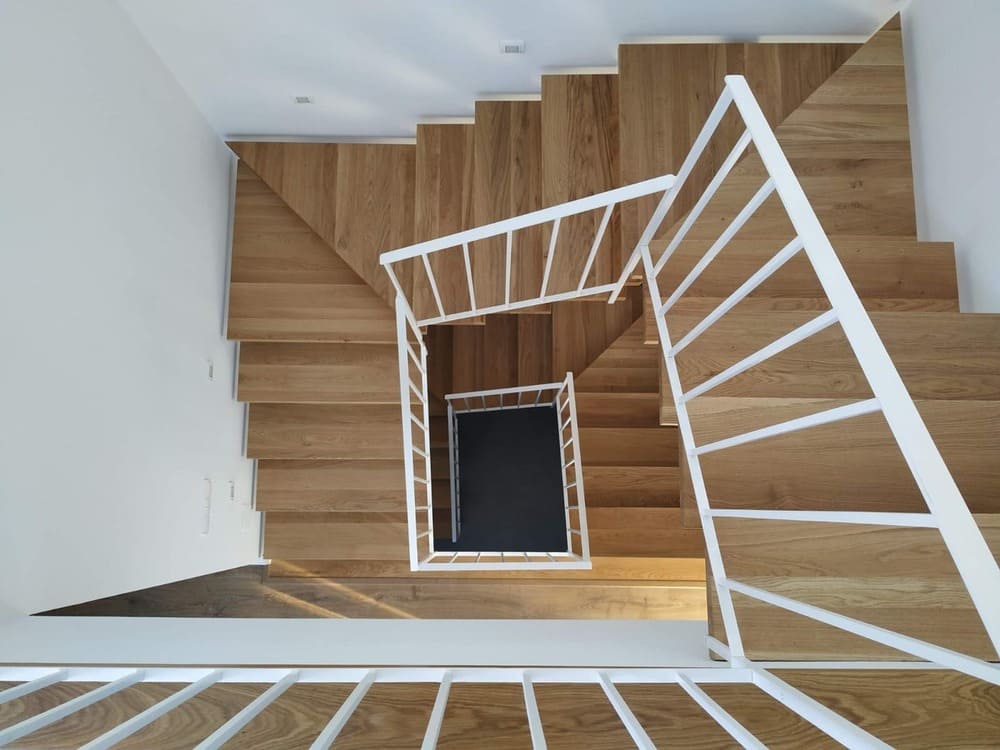
These residential units may be arranged on different floors or levels within the building and generally s hare common areas such as corridors, stairs, entrances and, in some cases, recreational or leisure facilities. Common examples of multi-family housing include apartment buildings, condominiums, duplexes and housing complexes.
What are the features of multi-family housing?
multi-family housing can have a variety of features, some of which include:
1. Division into independent units: the building is divided into multiple separate residential units, each with its own entrance and often with independent facilities such as a kitchen and bathroom.
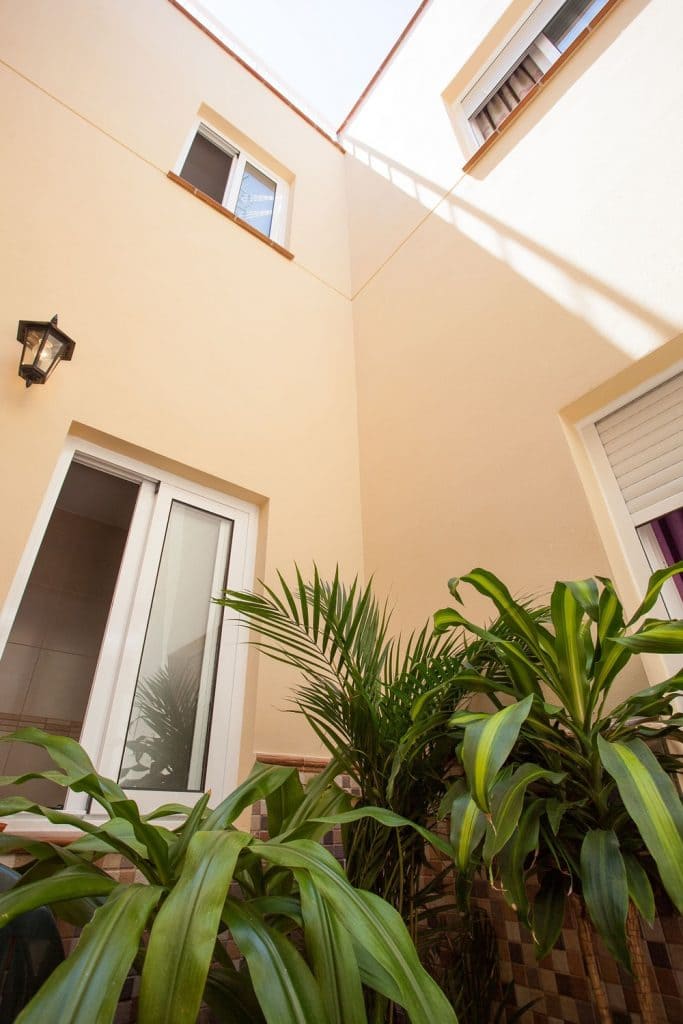
2. Shared spaces: although each unit is independent, residents may share common areas such as corridors, stairs, lifts, recreation areas, gardens or car parks.
3. Vertical height: many multi-family homes are multi-storey buildings, which makes it possible to accommodate several families in a vertically efficient space.
4. Community management: in some cases, multi-family homes may be run by an owners’ association management that looks after shared areas, building maintenance, security and other services.
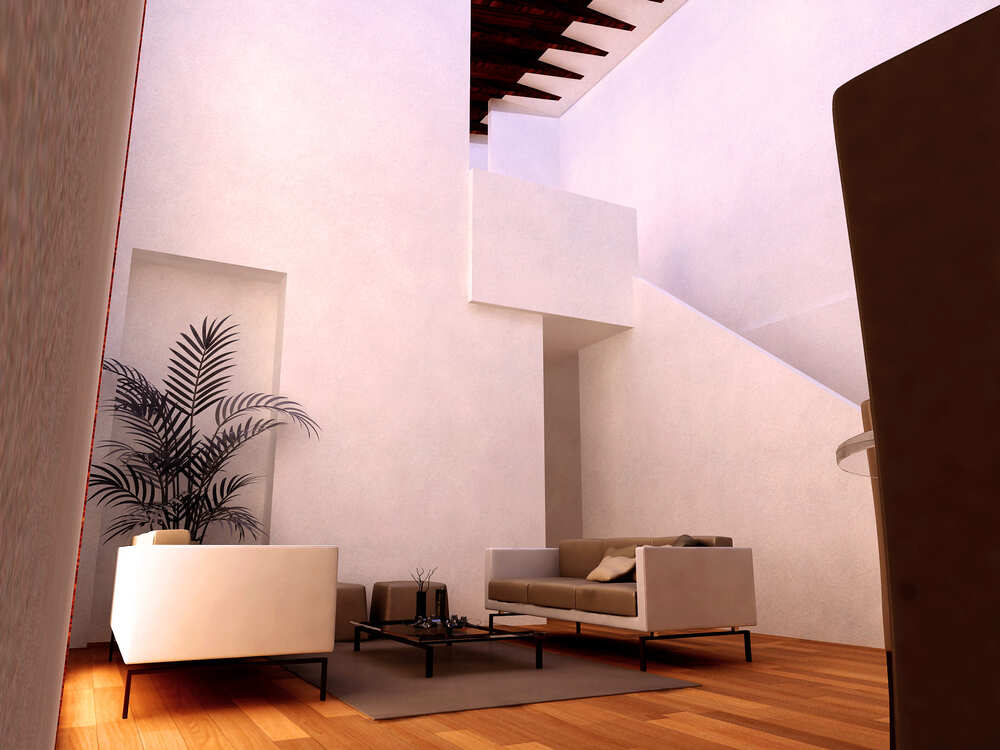
5. Diversity of unit sizes and types: within the same building there may be units of different sizes and layouts to meet the needs of different types of families or residents.
6. Higher density: multi-family housing often allows a higher population density than single-family homes, which can be beneficial in urban areas where space is limited.
7. Resource efficiency: by sharing walls and services, multi-family homes can be more efficient in their use of resources such as water, electricity and heating than detached single-family homes.