
With this post we launch a new series on our blog: MAHATMA ECOSYSTEM.
Through interviews, talks, conversations and short features, we want to showcase and give a voice to experiences, associations, businesses and people who are opening new doors and windows between people and architecture.
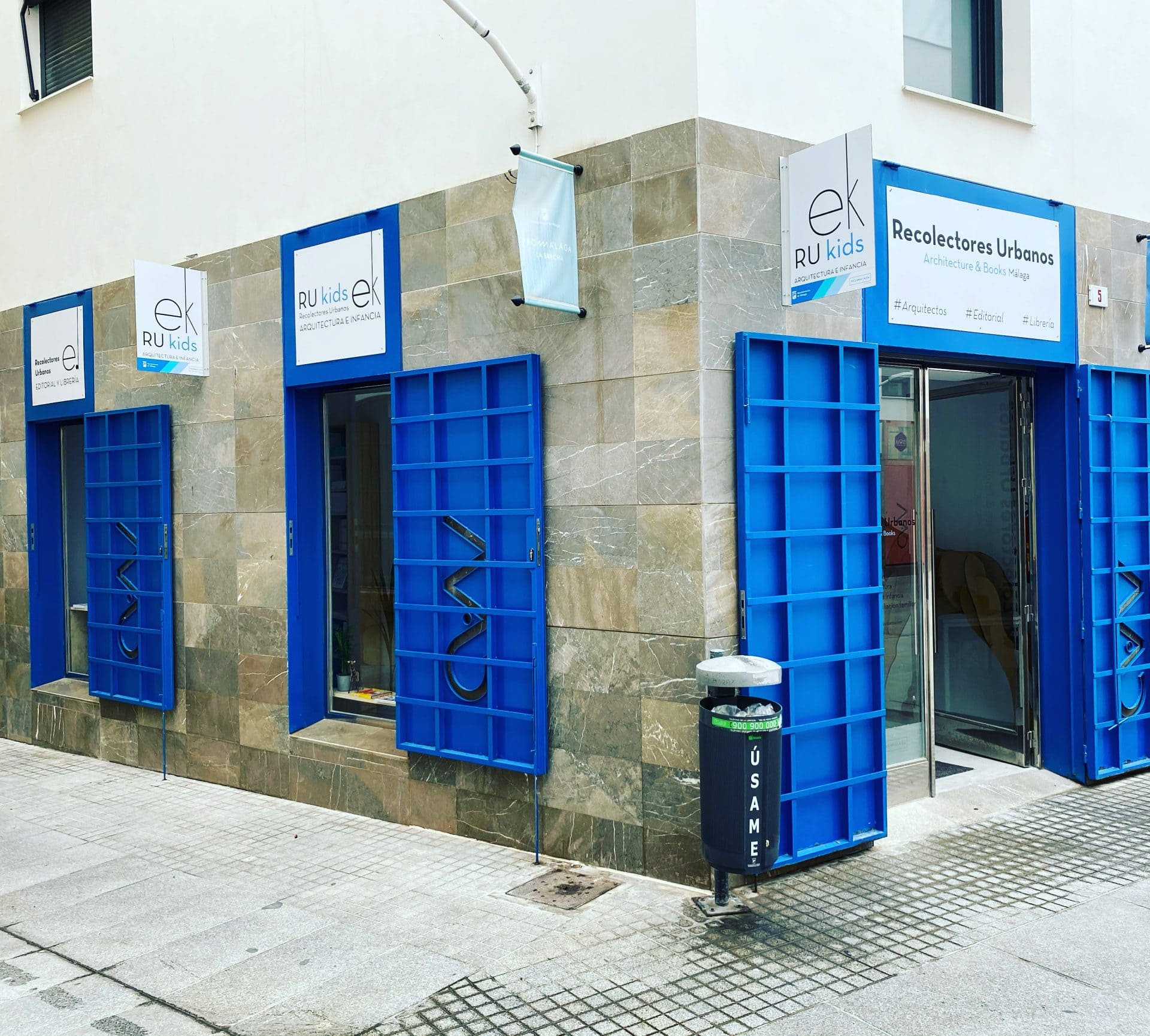
We start by welcoming to the Andrés Pérez neighbourhood Recolectores Urbanos, an architecture team with three separate but closely connected lines of work: architecture, outreach and childhood.
Can you describe these three lines of work?
Recolectores Urbanos Editorial [RU Editorial] is an art and architecture publisher focused on publishing and promoting previously unpublished work by young researchers. We foster the link between research, science communication and the public, making accessible publications available as a result of these early-career activities. We are committed to innovative architecture outreach, combining the possibilities of information and communication technologies with the reliability of traditional publishing.
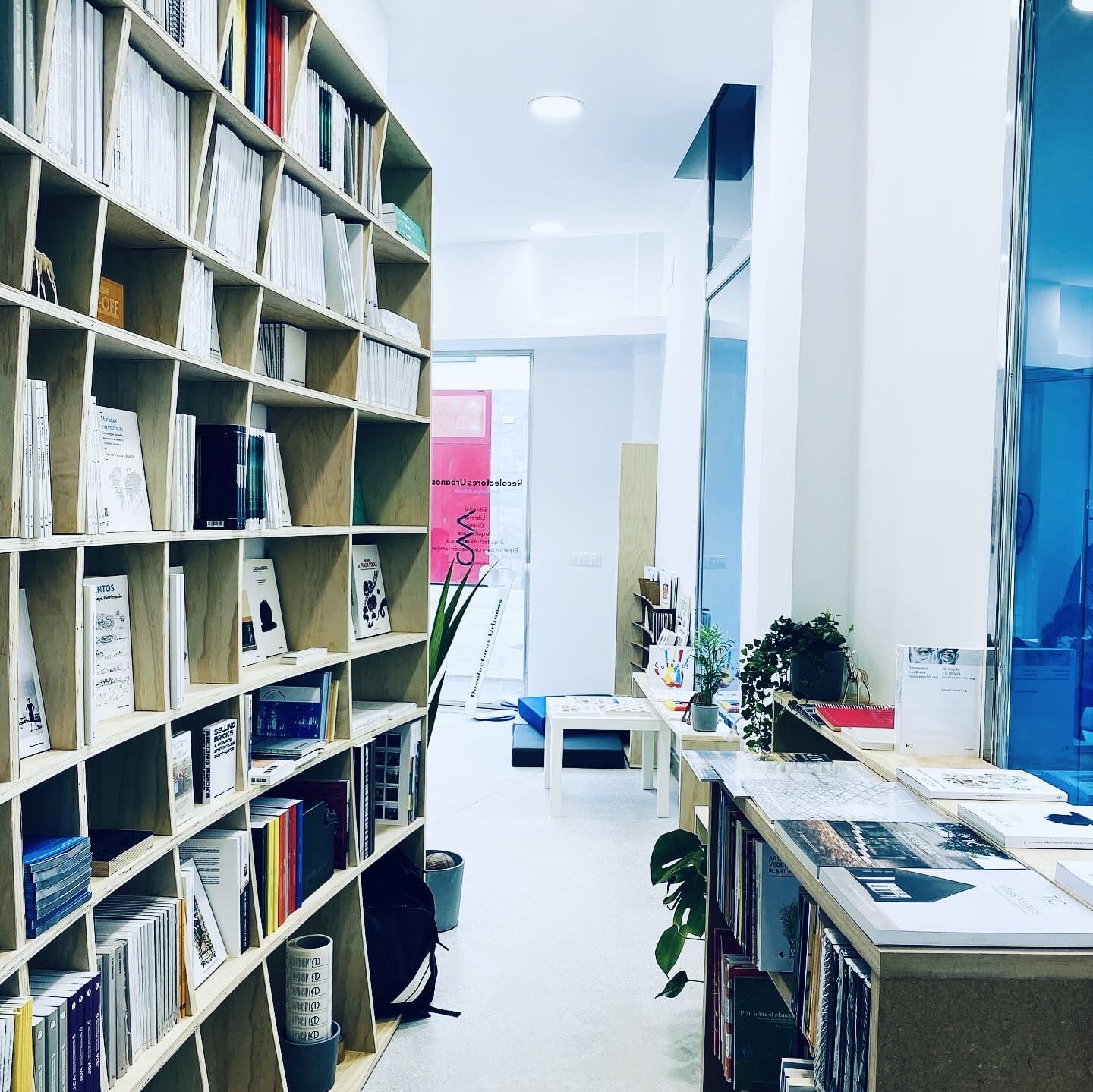
Recolectores Urbanos Bookshop. Architecture & books [RU Bookshop] is a bookshop specialising in art and architecture. It is currently the only specialist bookshop of its kind left in Andalusia, believing in architecture as a force that transforms our cities, where culture must rest on solid foundations of knowledge. The bookshop has a dual focus: one part for architecture and another for children, where a carefully chosen selection of specialist titles sparks children’s interest in and ability to understand space. We aim to develop children’s creativity so that citizens are better equipped to understand the architecture of our cities.
Recolectores Urbanos Kids [RU Editorial] is a project focused on architecture for children and on creating spaces that help families balance work and home life. It is technology-based and centres on innovative design of family-friendly spaces that bring in nature and new technologies. The project covers childhood from outdoor to indoor spaces, from play to learning, from infancy to breastfeeding, from design to outreach, from the hands-on to the technological. Education and learning are at its core, with a technology layer that monitors the space and learns from it to adapt what was designed, learning from the end user rather than from the initial analysis. The main aim is to build adaptive spaces for children that evolve over time. Children should be the new urban yardstick, because “a city that works for children works for everyone”. Designing learning environments means recognising architecture as the “third teacher” and the environment as an integral part of the educational experience.
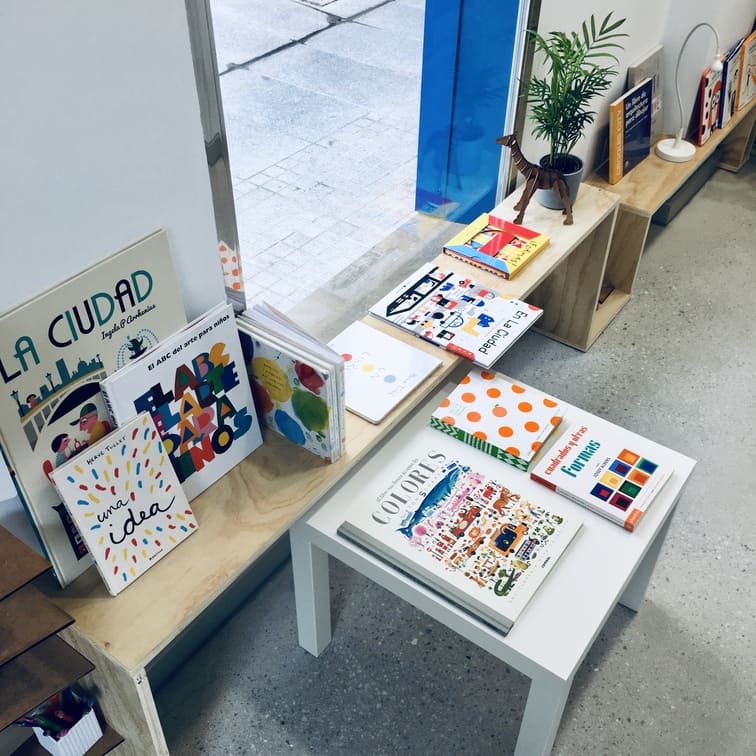
How do you see yourselves?
We are architects with a strong desire to look at the present through children’s eyes. Designing a city for children is designing a city for all citizens. We build family-friendly spaces, creating kinder environments adapted to a changing society.
We are committed to spreading architecture to bring it closer to the public. Our publishing work is one of our most rewarding projects, taking an architectural view to an audience beyond closed professional circles and sparking interest in looking at the city through an architect’s eyes
Where are you based and why?
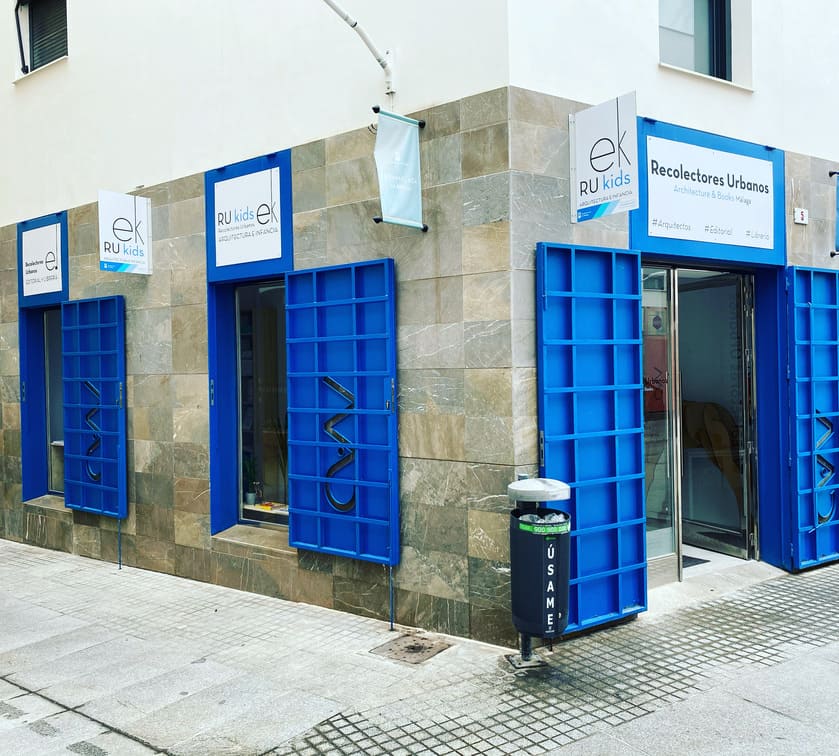
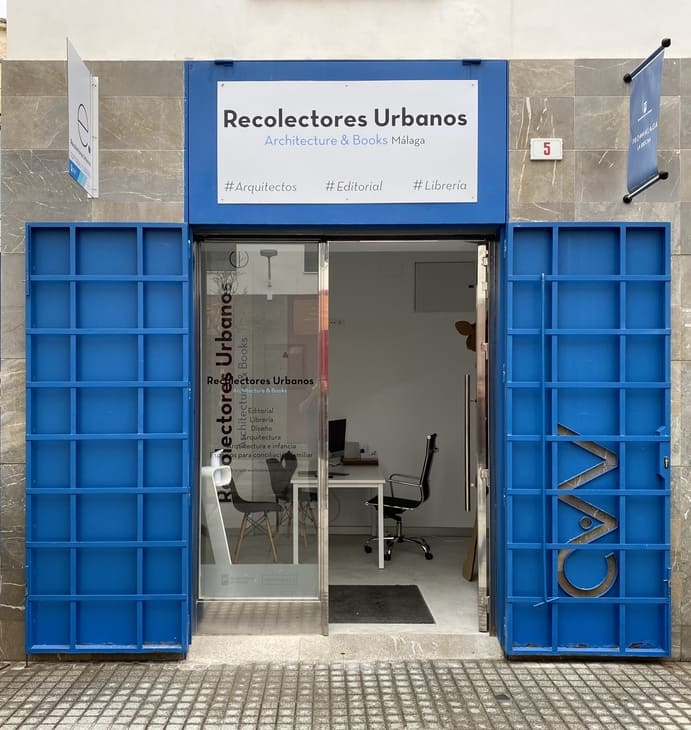
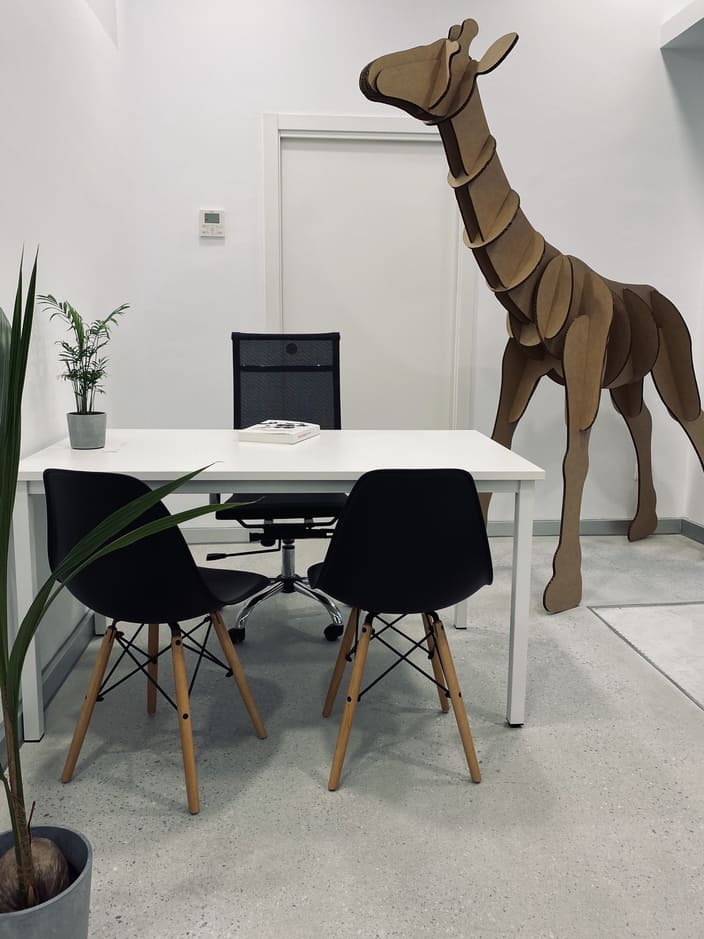
We recently moved to Málaga’s centre, at Plaza Pintor Eugenio Chicano 5, in the complex known as La Brecha (between Carretería and Andrés Pérez), a space that helps promote and sell local crafts. It’s a very interesting setting surrounded by craft businesses and organisations such as Mahatma that contribute to everything we’ve mentioned, working with and for children from an architectural perspective.
What are your upcoming projects?
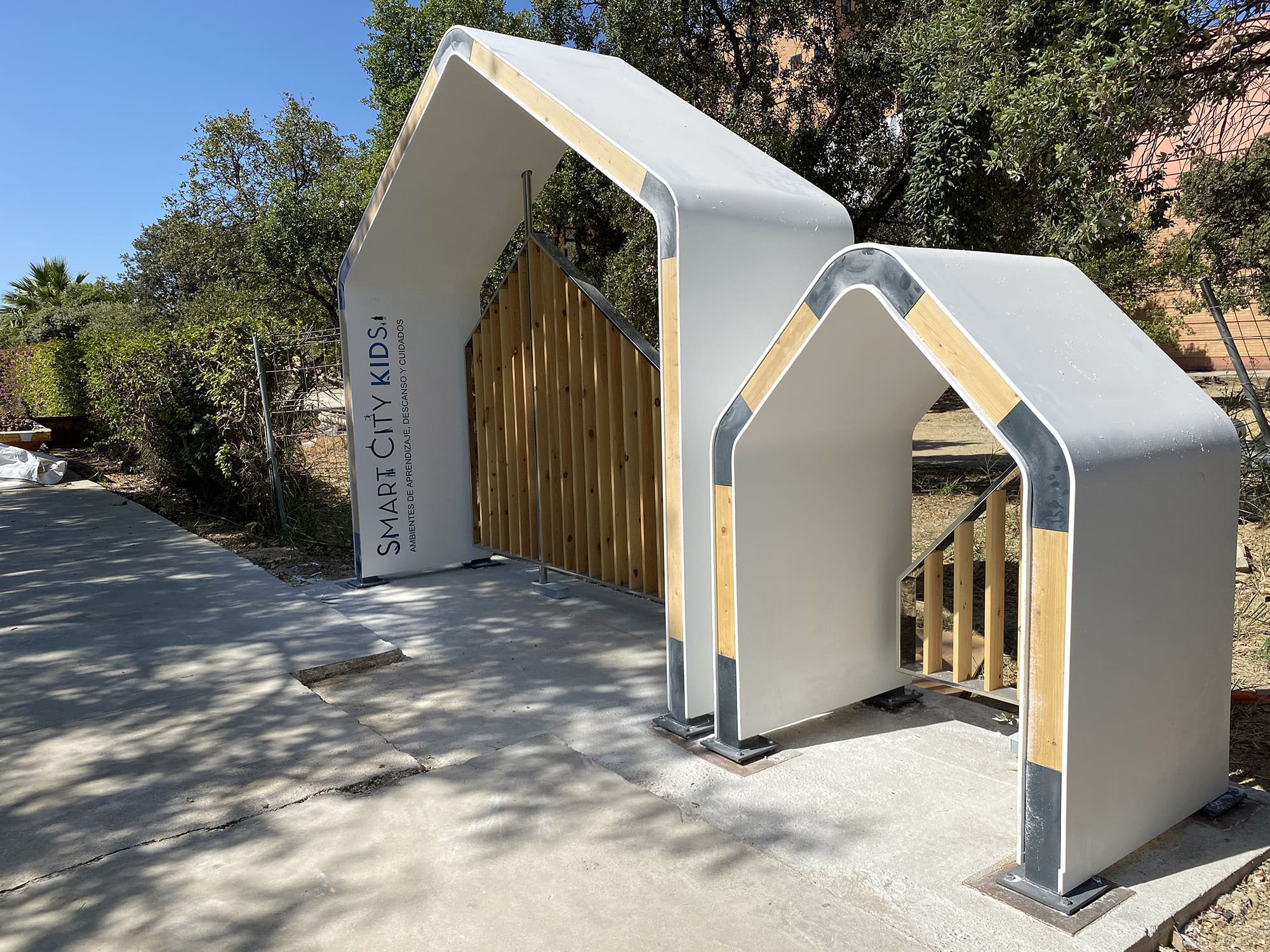
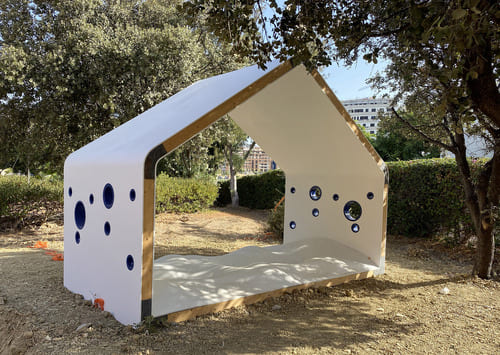
We are currently developing several family-friendly projects at the University: research projects taking shape as green areas for children. The Green Islands and Paths project at the Faculty of Education proposes using nature as a learning resource for young children, creating a soft space for them. Next to it is “Smart City Kids. Spaces for learning, rest and care”, where a series of family-friendly modules are being built, including spaces for 0-3-year-olds and areas for care, breastfeeding… all linked to childhood under the concept of learning environments.
Where do you see yourselves in a few years?
Designing the city for children is designing it for everyone. We believe in planning the city as a whole to create kinder spaces in future. Providing family-friendly environments creates a younger society and raises the birth rate. Today the city’s public space has no areas designed for families to balance work and home life, and that is one of our big bets for a more adaptable city.
The present is the timeframe that interests us most: right now our aim is to finish the projects we’ve started so they can get going, and in the coming years to assess the contribution of designing this inclusive city
How do you imagine the neighbourhood in a few years?
It’s a neighbourhood that has changed a lot, and will change even more in the coming years when the Carretería and Álamos projects are carried out. There is clearly urban gentrification happening, but a city like Málaga will know how to respond over the years, regulating the situation so that residents, shops and newcomers like us can carry on without being pushed out to other parts of the city. In this sense, we think our contribution as a space for architecture outreach is very valuable, as we said at the start, in passing on to the public a respect for quality urban planning and architecture.
Ferrán Ventura & Pablo García Moreno
Recolectores Urbanos & Mahatma Arquitectos
